Septique DD
Municipalité de Val-des-Monts
Google rating :Google 4.9(155 reviews)
- RBQ licence verified
Before installing or replacing a septic system, the municipality requires a characterization study of the site and natural ground. It is used to choose a system suited to the land and to place it correctly.
Find a company by city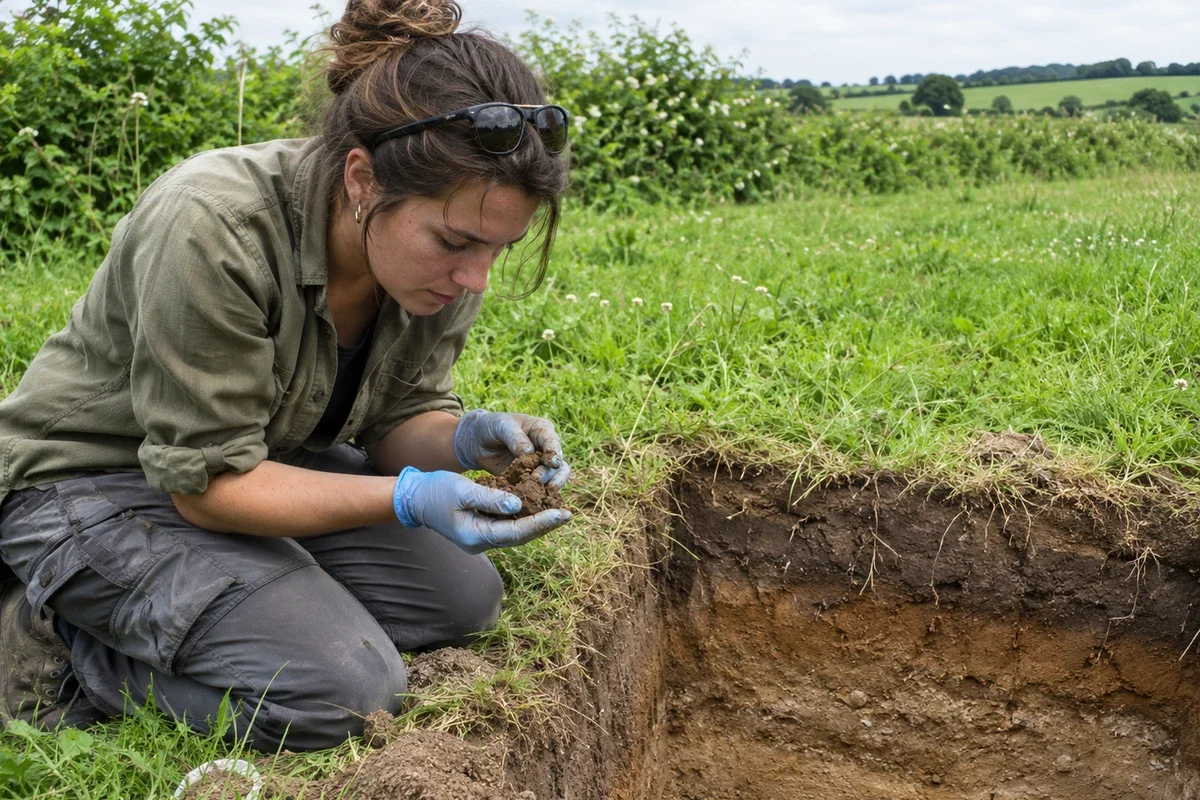
The regulation lists, among other things, the site’s topography, the slope of the land, soil permeability and the method used to measure it, and the depth of bedrock and groundwater. A scale location plan accompanies the study.
For an isolated dwelling, the study and plan must be signed by a professional who belongs to an order that governs this activity. In some cases set out in the regulation, an engineer’s or geologist’s signature is required; the municipality can tell you what applies.
The professional examines the soil, often using test pits, and carries out permeability tests. Plan for access to the property for machinery if needed.
The report recommends a type of system and its location. It is attached to the permit application and then serves as a reference for the contractor doing the work.
Municipalité de Val-des-Monts
Google rating :Google 4.9(155 reviews)
Roxton Pond
Google rating :Google 4.8(987 reviews)
Google rating :Google 4.9(63 reviews)
Google rating :Google 4.7(64 reviews)
Google rating :Google 4.9(51 reviews)
Google rating :Google 4.9(50 reviews)
The regulation requires it in the permit application for installing a treatment system, with some exceptions. Your municipality confirms what applies to your project.
The study must be signed by a professional who belongs to a competent order. That person may work for a firm separate from the company that installs the system.
No. The municipality issues the permit when the project provides for a system that complies with the regulation; the study is one of the documents it reviews.
Add or update your listing for free and get requests from customers in your area.
List my business